The Best Military Credit Cards for Active-Duty in 2026
See The Military Wallet’s picks for the best military credit cards of 2026.

Why trust The Military Wallet? We’re a veteran-founded resource that has helped millions make strong financial decisions.
Advertiser Disclosure: The Military Wallet and Three Creeks Media, LLC, its parent and affiliate companies, may receive compensation through advertising placements on The Military Wallet. For any rankings or lists on this site, The Military Wallet may receive compensation from the companies being ranked; however, this compensation does not affect how, where, and in what order products and companies appear in the rankings and lists. If a ranking or list has a company noted to be a “partner,” the indicated company is a corporate affiliate of The Military Wallet. No tables, rankings, or lists are fully comprehensive and do not include all companies or available products.
The Military Wallet and Three Creeks Media have partnered with CardRatings for our coverage of credit card products. The Military Wallet and CardRatings may receive a commission from card issuers. You can read more about our card rating methodology here.
Opinions, reviews, analyses & recommendations are the author’s alone and have not been reviewed, endorsed, or approved by any of these entities. For more information, please see our Advertising Policy.
American Express is an advertiser on The Military Wallet. Terms Apply to American Express benefits and offers.
Fact-checked by Ariana Arghandewal
With countless credit card options and varying qualification requirements, finding the right one can feel overwhelming, especially when factoring in military-specific perks like fee waivers and rate protections. We know there’s no one-size-fits-all solution for servicemembers, which is why we’ve organized our recommendations by benefit categories, making it easy to focus on the rewards and features that matter most to you.
In this guide, we’ll simplify the process and help you discover the best credit cards designed to meet the unique needs of active-duty servicemembers.
Summary of the Best Credit Cards
| Credit Card | Best For | Annual Fee | Intro Bonus | Apply Now |
|---|---|---|---|---|
American Express Platinum Card® | Best Overall | annual_fees* | bonus_miles Available after spending $12,000 in eligible purchases on your new Card in your first 6 months of Membership. | |
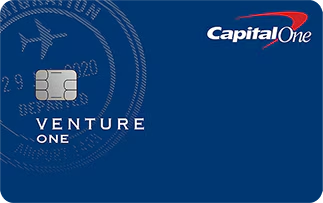
Capital One Venture X Rewards Credit Card | Travel Rewards | annual_fees (before SCRA benefits) | bonus_miles | |
|
card_name | Airline Rewards | annual_fees | bonus_miles | |
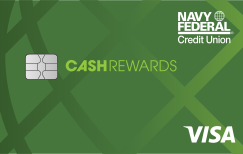
 Navy Federal cashRewards Card | Simple Cash Back | $0 | Earn $250 cash back when you spend $2,500 within 90 days of account opening Expires on Mar. 31, 2025. | |
|
Hilton Honors American Express Surpass® Card | Best Hotel Rewards Card | annual_fees* | bonus_miles after you spend $3,000 in purchases on the Card in the first 6 months of Card Membership. Offer Ends 4/15/2026. | |
Capital One Quicksilver Student Cash Rewards | Students | annual_fees | bonus_miles | |
 Navy Federal cashRewards Secured Credit Card | Building Credit | $0 | N/A | |
USAA Rate Advantage Credit Card | Balance Transfers & Debt Consolidation | annual_fees | bonus_miles | |
Chase Ink Business Cash® Credit Card | Small Businesses | annual_fees | bonus_miles | |
 PenFed Platinum Rewards Visa Signature Card | Gas Rewards | $0 | Earn 15,000 bonus points when you spend $1,500 in the first 90 days of account opening. |
| Credit Card | Best For | Apply Now |
|---|---|---|
American Express Platinum Card® | Best Overall | |
Capital One Venture X Rewards Credit Card | Travel Rewards | |
|
card_name | Airline Rewards | |
Navy Federal cashRewards Card | Simple Cash Back | |
|
Hilton Honors American Express Surpass® Card | Best Hotel Rewards Card | |
Capital One Quicksilver Student Cash Rewards | Students | |
Navy Federal cashRewards Secured Credit Card | Building Credit | |
USAA Rate Advantage Credit Card | Balance Transfers & Debt Consolidation | |
Chase Ink Business Cash® Credit Card | Small Businesses | |
PenFed Platinum Rewards Visa Signature Card | Gas Rewards |
Discover the best credit cards for military personnel and veterans. Use our Card Finder tool to easily compare rates, fees, and everyday rewards to find the perfect card for your lifestyle.
Best Overall
For active duty servicemembers looking for unparalleled rewards, premium perks, and everyday value, card_name is the best overall military credit card.
For those who travel frequently, this card is an absolute powerhouse, offering one of the best rewards structures for flights and hotels. You’ll earn 5X Membership Rewards® points on flights booked directly with airlines or through Amex Travel (on up to $500,000 per year) and 5X points on prepaid hotels booked through Amex Travel.
Plus, you’ll gain unmatched airport lounge access, including Centurion Lounges, Priority Pass lounges (enrollment required), and the Delta Sky Club®, making travel more comfortable whether you’re flying for work, a PCS move, or personal trips.
Beyond its top-tier travel perks, this card also offers valuable everyday benefits that military members and their families can enjoy year-round. The complimentary Walmart+ membership includes free grocery delivery, fuel discounts, and free shipping to U.S. and APO/FPO addresses, making it a great option for those stationed overseas or on a PCS move. You’ll also get up to $200 in airline fee credits, $200 in Uber Cash annually, $300 in digital entertainment credits, and $209 in Clear+ membership reimbursement.
With high-value travel rewards, premium benefits, and practical perks for everyday life, the Amex Platinum stands out as the top choice for military members, whether you’re traveling, stationed overseas, or managing daily expenses at home.
American Express Platinum Card®

American Express Platinum Card®
When it comes to premium credit cards, the American Express Platinum Card® stands out, especially for military members — it’s a card that can help improve your travel experiences, maximize your rewards, and offer peace of mind with added consumer protections.
Best Credit Cards For Military Members By Benefit
Jump to:
- Best for travel
- Best airline credit card
- Best for cashback
- Best hotel rewards
- Best for students
- Best for gas points
- Best for building credit or credit repair
- Best for balance transfers
- Best for small businesses
Best for Travel
Capital One Venture X Rewards Credit Card

Capital One Venture X Rewards Credit Card
The Capital One Venture X Rewards Credit Card is a premium travel card that combines a low annual fee, extensive lounge access, flexible rewards, and valuable travel credits, making it an excellent choice for frequent travelers seeking high-end perks without the high-end cost.
Best Airline Credit Card
The New United Explorer Card

The New United Explorer Card
For military servicemembers who frequently fly, the The New United Explorer Card from Chase is the best airline credit card. Not only does it offer valuable United MileagePlus® rewards, but active-duty military members can get the $150 annual fee that kicks in after the first year waived under Chase’s MLA policy.
Best for Cashback
Navy Federal cashRewards Card

Navy Federal Credit Union cashRewards Credit Card
The Navy Federal Credit Union cashRewards Credit Cards come in two versions: the cashRewards Credit Card, which earns 1.5% cash back, and the cashRewards Plus Credit Card, which earns 2% cash back for those approved with a $5,000+ credit limit—both featuring a $0 annual fee, no foreign transaction fees, and a generous sign-up bonus for eligible Navy Federal members.
Best Hotel Rewards Card
Hilton Honors American Express Surpass® Card

Hilton Honors American Express Surpass® Card
This card offers generous Hilton Honors points and automatic Gold status, making it a strong choice for servicemembers who frequently stay at Hilton hotels. Terms apply.
Best for Students
While the card_name is a great student card, if you’re using your GI Bill or attending school after military service, you may be better off choosing a standard credit card from USAA or Navy Federal Credit Union.
Unlike student cards designed for civilians, these military-focused institutions offer cards that often have easier approval requirements and lower variable APR rates. That being said, the Quicksilver Student is a great choice for those who are not interested in becoming a USAA or NFCU member.
Capital One Quicksilver Student Cash Rewards Credit Card

Capital One Quicksilver Student Cash Rewards Credit Card
A solid choice for students looking to earn consistent rewards, this cash-back credit card offers unlimited 1.5% cash back on every purchase, no annual fee, and no foreign transaction fees—making it a hassle-free option for everyday spending and travel alike.
Best for Building Credit
Secured credit cards are designed to help individuals build or rebuild their credit by requiring a refundable security deposit, which typically serves as the card’s credit limit. Instead of a credit limit, they require a refundable deposit as collateral. They also typically have lower-than-average APRs and low or no fees.
Learn more about secured credit cards here.
Navy Federal Credit Union cashRewards Secured Credit Card

Navy Federal Credit Union cashRewards Secured Credit Card
This secured credit card from Navy Federal Credit Union allows members to build or rebuild credit while earning rewards.
Best For Balance Transfers & Debt Consolidation
Balance transfer credit cards allow you to move high-interest debt from one or more credit cards to a new card with a lower interest rate, often 0% introductory APR, for a set period. This can save you money on interest and help you pay off your debt faster if used wisely. Many of these cards charge a balance transfer fee, typically 3-5% of the amount transferred, which should be factored into your cost-saving calculations.
Learn more about how balance transfer cards work here.
USAA Rate Advantage Credit Card
USAA Rate Advantage Credit Card

USAA Rate Advantage Credit Card
The USAA Rate Advantage Visa Platinum® Card offers military members and their families a low-interest credit solution with no annual fee, featuring a 0% introductory APR on balance transfers for 15 months.
Best for Small Businesses
Small business credit cards can be a valuable financial tool for military servicemembers and veterans, helping to manage business expenses, build credit, and earn rewards. While many top issuers provide military-friendly personal credit card benefits, most do not extend these perks—such as waived annual fees— to business credit cards under the SCRA or MLA, save for a few exceptions. The organizational structure of your business may also impact whether or not military-specific benefits are applied.
These cards often offer benefits like cash back, travel rewards, and 0% intro APR periods, making them useful for covering operational costs, travel expenses, or equipment purchases. For veteran entrepreneurs, business credit cards can help establish business credit and provide flexible financing options without tapping into personal savings.
Choosing the right card depends on business needs, spending habits, and the specific benefits offered by each issuer. Learn more about how small business credit cards work here.
Chase Ink Business Cash® Credit Card

Ink Business Cash® Credit Card
The Chase Ink Business Cash® Credit Card offers substantial cash back rewards on common business expenses, including office supplies and telecommunications services, all with no annual fee.
Best For Gas Points
Gas rewards credit cards can be a great way to save money on fuel, whether commuting to base, traveling for duty, or managing everyday expenses. Many top credit cards offer cash back, points, or statement credits for gas station purchases, helping to offset rising fuel costs.
Some issuers provide enhanced rewards at military-friendly locations, such as on-base gas stations, while others offer flexible redemption options for travel, groceries, or statement credits. Active-duty servicemembers may also qualify for waived annual fees under the Servicemembers Civil Relief Act (SCRA) or Military Lending Act (MLA) on select personal credit cards, maximizing the value of gas rewards.
When choosing a gas rewards card, military members and veterans should consider factors like bonus categories, redemption flexibility, and additional perks like travel protections or military-specific benefits.
Learn more about how gas rewards cards work here.
PenFed Platinum Rewards Visa Signature Card
PenFed Platinum Rewards Visa Signature Card

Platinum Rewards Visa Signature Card
The PenFed Platinum Rewards Visa Signature® Card is a no-annual-fee credit card that offers elevated rewards on everyday spending categories.
Best Credit Cards for Veterans
The best credit cards for veterans are those that align with the benefits you value most.
Unfortunately, SCRA and MLA benefits like capped interest rates and waived fees are exclusive to active-duty servicemembers and their spouses. Outside of access to exclusive card options through military-focused institutions like Navy Federal Credit Union and USAA, veteran credit card options are similar to those of civilians.
This is why we’ve created a list of top credit card picks for veterans depending on the benefit that you value the most.
Methodology
To pick the best credit cards, we identified several crucial categories that fit a wide range of needs. From there, we selected the best credit cards in each category based on our editorial reviews and deep knowledge of the overall credit cards available to military servicemembers and veterans. Read more about our methodology for picking the best credit cards here.
Overall, we prioritized cards with the following criteria:
- No or low fees for balance transfers, cash advances and foreign transactions
- Unlimited rewards points or rewards points with high spending caps
- Customer service reputation by the issuing bank or credit union
- Cards offering fee waivers or enhanced protections under the Servicemembers Civil Relief Act (SCRA) and Military Lending Act (MLA)
- Lower than average or industry-standard APR rates
The cards on our list represent some of the best options for military members based on these criteria. However, every individual’s financial situation is unique. We encourage you to research your options carefully and select a credit card that aligns with your specific financial goals and lifestyle.
See below for more tips about credit card management and advice on choosing the best card for you.
What To Know About Credit Cards
Credit cards offer an opportunity to earn reward points for your daily purchases, however, they also come with many responsibilities. Here’s what you need to consider:
Payments. As with any lending arrangement, you must make monthly payments. Credit cards set minimum payments, usually between 2% and 3% of the balance owed. But if you make the minimum payments only, paying off your balance can take several years. The larger the payments, the lower your balance, and the less you’ll pay in interest.
Interest. Interest rates on credit cards are extremely high compared to other types of loans. While you may be able to get auto loans or home loans in the 4% to 5% range, interest on credit cards usually runs between 15% and 25% or even higher.
Grace period. Credit cards typically come with a grace period. Interest won’t be charged on a purchase that’s paid within a certain amount of time, usually 25 to 30 days. Any balance remaining after that time will be subject to interest.
Fees. Many credit cards charge an annual fee, though it’s typically below $100. Also, be aware of late fees and over-limit fees. These typically are between $35 and $45 and will be imposed if you’re even one day late on your payment or $1 over on your credit limit.
3 Tips For Card Management
- Aim to pay your balance in full each month. If a credit card charges an interest rate of 24%, you’ll pay 2% of your balance each month in interest. On a $5,000 balance, that will be $100. Even if a card comes with very generous rewards, it can easily be offset by the interest expense.
- Look out for credit card fraud. Credit cards and identities get stolen every day, so it’s important to closely monitor your account. In the case of credit card fraud, you need to report your stolen card to protect your account.
- Keep Utilization Low: Use less than 30% of your credit limit to maintain a good credit score.
How Many Credit Cards Should You Have?
The ideal number of credit cards depends on your financial situation, spending habits, and ability to manage credit responsibly. Here are some general guidelines:
- One to Two Cards: If you’re new to credit or prefer simplicity, one or two cards can help you build credit and cover essential spending categories without becoming overwhelming.
- Three to Five Cards: For most people, this range provides a good balance. It allows you to diversify rewards, take advantage of different benefits (e.g., cash back, travel rewards, or low interest rates), and maintain a healthy credit utilization ratio.
- More Than Five Cards: If you’re experienced in managing credit, having multiple cards can maximize rewards and benefits. However, it requires careful tracking of payment due dates and annual fees.
The key is to ensure you can handle your cards responsibly by paying balances on time, avoiding excessive debt, and keeping your credit utilization low.
Credit Card Application Rules
Before applying for multiple cards, it’s important to understand how major issuers view new applications. These rules can affect your approval odds — especially for cards from issuers like Chase and American Express.
- Chase 5/24 Rule: Chase typically denies applications if you’ve opened five or more personal credit cards (from any issuer) in the past 24 months. This includes authorized user accounts and store cards, so check your credit report before applying.
- Amex Welcome Bonus Policy: American Express generally offers one welcome bonus per card per lifetime. If you’ve already had a specific Amex card (like the Amex Platinum), you’re unlikely to get the bonus again — even if you’re approved for the card.
- 2/3/4 Rule: This unofficial guideline suggests spacing out your applications to avoid appearing as a high-risk applicant:
- 2 cards per 2 months
- 3 cards per 12 months
- 4 cards per 24 months
Following this pacing can help maintain a strong credit profile and reduce the chances of rejection due to recent inquiries or account openings.
How to Choose The Best Card For You
Which type of card you get depends on how you plan to use it. Keep these four things in mind when evaluating which card you want to apply for:
Your credit
If your credit is insufficient to get the type of card you want, you’ll need to work on improving it. That may require paying off any past due balances (which you can do through a balance transfer card), paying down existing credit card balances, or disputing any derogatory information that may be in error. Raising your credit score by just 20 or 30 points can make a big difference in the type of card you can qualify for.
Look past temporary (welcome) benefits
If you’re considering a card for its signup bonus or an attractive 0% introductory offer, don’t ignore the regular interest rate on the card. These offers are temporary, but regular interest rates are what you’ll be dealing with once those benefits expire. If the rate on a new card is higher than your current card, it may not be worth the temporary benefits it provides.
Annual fee vs. no fee
Some cards charge no annual fee, but that doesn’t necessarily mean they’re a better deal. Many cards with high fees offer rewards such as vouchers or credits that can more than make up their value. For example, if a card that charges an annual fee has more generous rewards, it may be better than a fee-free card.
Spending requirements
Many welcome bonuses come with minimum spending thresholds — often several thousand dollars within the first few months. Make sure the requirement aligns with your normal spending habits. If not, you could end up overspending just to qualify for the bonus.
Application timeline
As noted in the 2/3/4 rule, applying for several credit cards at once, can negatively impact your credit score. It’s also important to strategically time your applications to maximize the benefits, especially welcome bonuses. These bonuses are typically activated upon approval and must be earned within a specific timeframe, such as spending a set amount within the first few months.
For instance, many travel credit cards offer substantial point bonuses that can be ideal if you’re planning a trip or vacation. Similarly, with balance transfer cards, timing is crucial. If you’re consolidating debt, ensure you’re financially prepared to pay it down within the 0% APR period to fully benefit from the promotional offer.
With that advice in mind, let’s take a look at common types of credit card benefits to help you decide what’s most important to you.
Types of Credit Cards
Travel Rewards Credit Cards
Travel rewards credit cards let you earn points or miles on purchases that can be redeemed for travel-related expenses like flights, hotels, and car rentals. These cards often offer bonus rewards for spending in specific categories such as travel, dining, or hotels, and many come with valuable perks like free checked bags, airport lounge access, travel insurance, or no foreign transaction fees. Some travel cards also provide sign-up bonuses when you meet a minimum spending requirement within the first few months.
While these cards can save frequent travelers money and enhance their travel experience, they often have annual fees, so it’s important to weigh the value of the rewards and benefits against the cost.
See our top picks for travel rewards credit cards.
Cashback Credit Cards
Cashback credit cards reward you by returning a percentage of your purchases as cash. You earn cash back at a flat rate on all purchases or at higher rates in specific categories like groceries, gas, or dining. Some cards also feature rotating bonus categories or introductory bonuses for spending a certain amount within the first few months. The rewards you accumulate can typically be redeemed as statement credits, direct deposits, or checks, and some cards offer additional redemption options like gift cards or travel.
See our top picks for cashback credit cards.
Student Credit Cards
Student credit cards are designed for college students who are new to credit and want to start building their credit history. These cards often have lower credit requirements, making them more accessible to students with limited or no credit. Many student cards come with benefits like cashback rewards on everyday spending, no annual fees, and tools for learning responsible credit use. Some even offer incentives for good financial behavior, such as bonuses for paying on time or maintaining a good GPA.
See our top picks for student credit cards.
Gas Rewards Credit Cards
Gas credit cards are designed to help cardholders save money on fuel purchases by offering cash back, points, or discounts on gas. Some gas cards are co-branded with specific gas stations, providing higher rewards at those locations, while others are general-purpose cards that offer bonus rewards on gas purchases regardless of the station.
Many gas cards also include additional rewards for other spending categories, such as groceries or dining, making them versatile for everyday use. While they typically have no or low annual fees, some premium options with higher rewards may charge a fee. Gas credit cards are best for drivers who spend significantly on fuel and want to reduce their costs, especially if they consistently fill up at the same brand of gas stations or prefer a general rewards card for added flexibility.
See our top picks for gas credit cards.
Secured Credit Cards
If you don’t have a good credit score, then you can still get a credit card to help you improve your credit score by making on-time payments and paying your balance in full.
Secured credit cards are a type of credit card designed for individuals with limited, no, or poor credit history who want to build or rebuild their credit. These cards require a refundable security deposit, which typically becomes your credit limit (e.g., a $500 deposit equals a $500 limit). Secured cards function like traditional credit cards, allowing you to make purchases and pay your balance over time, and they report your activity to the major credit bureaus.
Responsible use, such as paying on time and keeping balances low, helps improve your credit score. While they often have higher interest rates and fewer perks than unsecured cards, many secured cards offer features like no annual fee, credit education tools, or the ability to graduate to an unsecured card after demonstrating responsible use.
See our top picks for secured credit cards.
Balance Transfer Credit Cards
Balance transfer credit cards are designed to help you save money on high-interest debt by allowing you to transfer balances from other credit cards to a new card with a lower interest rate, often 0% introductory APR for a set period (e.g., 12–18 months).
This introductory period gives you time to pay down your debt without accruing additional interest. However, most balance transfer cards charge a balance transfer fee (typically 3%–5% of the transferred amount), which you should factor into your savings calculations. To benefit fully, it’s important to pay off as much of the balance as possible before the promotional period ends, as the regular APR will apply afterward.
See our top picks for balance transfer credit cards.
Business Credit Cards
Business credit cards are designed specifically for business owners to manage and finance their business expenses while earning rewards or enjoying benefits tailored to business needs. These cards often offer features like higher credit limits, expense tracking tools, and rewards programs with categories relevant to businesses, such as office supplies, travel, or advertising.
Some also include perks like employee cards with customizable spending limits, purchase protection, and extended warranties. Business credit cards typically require a personal credit check and may hold the business owner personally liable for the debt, especially for smaller businesses or sole proprietors.
They are an excellent tool for separating personal and business finances, building business credit, and earning rewards on everyday business spending. However, it’s essential to manage them responsibly, as high balances or missed payments can impact both your business and personal credit scores. See our top picks for small business credit cards.
To see rates and fees for the American Express Platinum Card® please visit this link.
To see rates and fees for the Hilton Honors American Express Surpass® Card please visit this link.