Anyone who is saving for retirement needs to pay attention to the retirement plan contribution limits. There are two reasons this is important – you want to contribute as much as you can to reach your goals, but you also don’t want to contribute too much, because that can trigger possible penalties. The IRS reviews retirement plan contribution limits each year, and this year they made a few changes and increased the maximum contribution levels of several retirement plans for 2013. The big changes came to employee sponsored deferral programs such as the Thrift Savings Plan and the 401(k) plan – and similar plans such as the 403b, 457, 401a Plans. Let’s take a look at some of the details you need to know.
Types of Retirement Plans

There are many plans to choose from.
There are many different retirement accounts available to workers, and they can be broken down into three major types: employer-sponsored, individual, and self-employed/small business. Let’s take a look at some of the different types of plans and their contribution limits. One note before we start – this is a simplified version of the types of retirement plans out available to most people. This does not include traditional pension plans such as those provided by the military retirement system, the government, or companies in the private sector.
Employer-sponsored retirement plans. If you are in the military or work in the civil service, you are most likely eligible for the Thrift Savings Plan, or TSP. For the most part, the Thrift Savings Plan functions just like a 401k plan, which is a more common retirement plan in the civilian sector. Similar retirement plans include the 403b (common in non-profit sectors), 457, and 401a plans. These numbers might seem confusing at first, but don’t put much into their names – they simply refer to a chapter of the tax code.
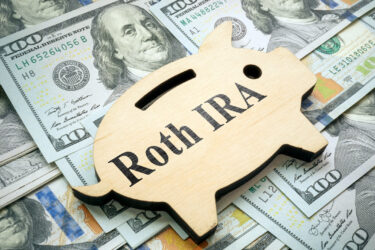
Individual retirement plans including the popular Roth and Traditional IRAs. These plans are one of the best ways to save for retirement, whether you have access to an employer sponsored retirement plan or not. In fact, you can invest in both of these types of plans without having to worry about exceeding your retirement plan contribution limits. This is because these plans are not in the same classification.
Self-employed retirement plans or small business retirement plans. There are a variety of retirement plans that are only open to small businesses and those who are self-employed. One of the most popular is the Solo-401k, which has the same limits as the 401k plan you would find in the commercial sector, with one major addition: small business owners can defer a portion of their business income as a tax-free contribution. Other examples include SEP IRAs, SIMPLE IRAs, and Keough Plans. The IRS has a good rundown here.
2013 Retirement Plan Contribution Limits
The new limits are good for the 2013 tax year. Future retirement plan contribution limits will be pegged to inflation levels and raised in $500 increments. Here are the contribution limits for the various types of retirement plans:
Employer sponsored retirement plans: 401k, 403b, 457, 401a, and Thrift Savings Plan:
- $17,500 (under age 50); $23,000 (over age 50); Total max contribution (including employer matching, bonuses, etc.) $51,000.
- More information about – 401(k) contribution limits, and Thrift Savings Plan contribution limits.
Individual Retirement Arrangements (IRAs):
- $5,500 (under age 50); $6,500 (over age 50)
- Roth and Traditional IRA contribution limits: $5,500 (under age 50); $6,500 (over age 50)
Self-Employed and Small Business Plans:
- SIMPLE IRA Plan – $12,000 in salary contributions and either a 2% fixed contribution or a 3% matching contribution.
- Simplified Employee Pension (SEP) – Up to 25% of your net earnings from self-employment, up to $51,000.
- Solo 401k – Salary deferrals up to $17,500 (under age 50); $23,000 (over age 50); Contribute up to an additional 25% of your net earnings from self-employment, up to $51,000.
It is recommended to get tax assistance if you have a self-employed retirement plan to ensure you choose the best retirement plan for your situation.
Don’t Exceed Retirement Plan Contribution Limits!
It’s also important to note that some of these plans share contribution limits. For example, the Solo 401k plan shares a contribution limit with the employer-sponsored plans listed above. For example, if your are under age 50, you would only be able to contribute $17,500 in 2013. Let’s say you are a military member who contributes to the Thrift Savings Plan and you also have a small business on the side and have a Solo 401k. The most you can contribute from your salary across both accounts is $17,500. The shared limit only applies to the employee deferral contribution (from your payroll), and the max limit of $51,000. You could contribute additional money to each account if you have bonuses or profit sharing. If you have questions, always consult a tax professional.
Traditional and Roth IRAs also share a contribution limit with each other. The limit for 2013 is $5,500 across both accounts if you are under age 50. You can contribute all to one account , or split it between them. It doesn’t matter as long as you don’t exceed the limit.
Contribute as much as you can now
It’s best to contribute as much as you can contribute to your retirement accounts because that gives your money more time to grow via compound interest. If the current markets make you nervous, then consider placing your money in a high interest money market account or a CD until you feel more comfortable investing the money in equities. Most retirement accounts have a cash fund or cash equivalent, which leaves you no excuse not to start investing now!

Right now it’s too early to tell. This is only one recommendation for change and it has been sent back to be studied further and will be presented again in February of 2012. Though we don’t know what will happen, we can say two things for certain:
The deadline to contribute funds to an IRA for the 2010 tax year is April 18 of 2011. So if you didn’t max out an IRA last year, there’s still time to contribute more money for 2010! The maximum allowable contribution for a traditional or Roth IRA is $5,000 if you’re under age 50 and $6,000 if you’re age 50 or older. If you have more than one IRA, you can contribute to both of them as long as the total amount doesn’t exceed your allowable limit. For example, you could contribute $2,500 to a traditional IRA and $2,500 to a Roth IRA.
Delaying when you take Social Security Benefits can result in higher payments. In general, you can begin receiving Social Security Benefits at age 62, but in many cases, it’s worth delaying your start date for receiving Social Security payments if possible. This is because the Social Security Administration uses a sliding scale based on the year of your birth to determine your “normal” retirement age and the amount of money you will receive. Taking Social Security Benefits at age 62 may cause you to only be eligible to receive a partial payment.
Pay attention to Social Security Statements. Over the years you have probably noticed an annual social security statement arriving in your mailbox. It is important to pay attention to the information contained on this statement. Carefully review your statement each year to ensure the earnings that have been reported are correct. This history of your earnings play an important role in determining your Social Security benefits. If you notice errors on the statement, it is your responsibility to report these mistakes to ensure the correct information is being used to determine your benefits. Correcting an error in your lifetime earnings could significantly increase social security benefits.