Do You Need Flood Insurance If You Live On Base?
Why flood insurance matters if you live on a military installation. Learn about coverage limits, and cost factors for military families.

Why trust The Military Wallet? We’re a veteran-founded resource that has helped millions make strong financial decisions.
Advertiser Disclosure: The Military Wallet and Three Creeks Media, LLC, its parent and affiliate companies, may receive compensation through advertising placements on The Military Wallet. For any rankings or lists on this site, The Military Wallet may receive compensation from the companies being ranked; however, this compensation does not affect how, where, and in what order products and companies appear in the rankings and lists. If a ranking or list has a company noted to be a “partner,” the indicated company is a corporate affiliate of The Military Wallet. No tables, rankings, or lists are fully comprehensive and do not include all companies or available products.
The Military Wallet and Three Creeks Media have partnered with CardRatings for our coverage of credit card products. The Military Wallet and CardRatings may receive a commission from card issuers. You can read more about our card rating methodology here.
Opinions, reviews, analyses & recommendations are the author’s alone and have not been reviewed, endorsed, or approved by any of these entities. For more information, please see our Advertising Policy.
American Express is an advertiser on The Military Wallet. Terms Apply to American Express benefits and offers.
Flooding can happen anywhere, anytime, not just in coastal areas. If you and your family live in military housing, it is a common misconception that the government will cover any loss to your personal belongings due to flooding. The fact is that the flood damage to your furniture, clothing, expensive electronics, and other belongings is not covered by your standard renter’s insurance policy.
So, do you need flood insurance if you live on a military base? This article will answer this important question. In this guide, we will also explain what flood insurance is, estimated costs, what is covered, and what to do if you experience a flood in base housing.
What Standard Renters Insurance Does NOT Cover
When it comes to personal property coverage on a standard renters insurance policy, it will cover your personal belongings lost or damaged for perils such as fire, lightning, windstorms, smoke, theft, and accidental water discharge. However, almost all standard policies do not cover natural disasters, such as floods.
What if your toilet springs a leak and floods your entire house? Am I covered by my renter’s insurance policy? The answer is yes; you are covered. Read on to find out why.
What Is the Difference between Water Damage and Flooding?
The good news is that standard renters’ insurance will cover water damage. Renter’s insurance covers sudden and accidental damage caused by burst pipes or overflowing appliances, or water damage as a result of a fire.
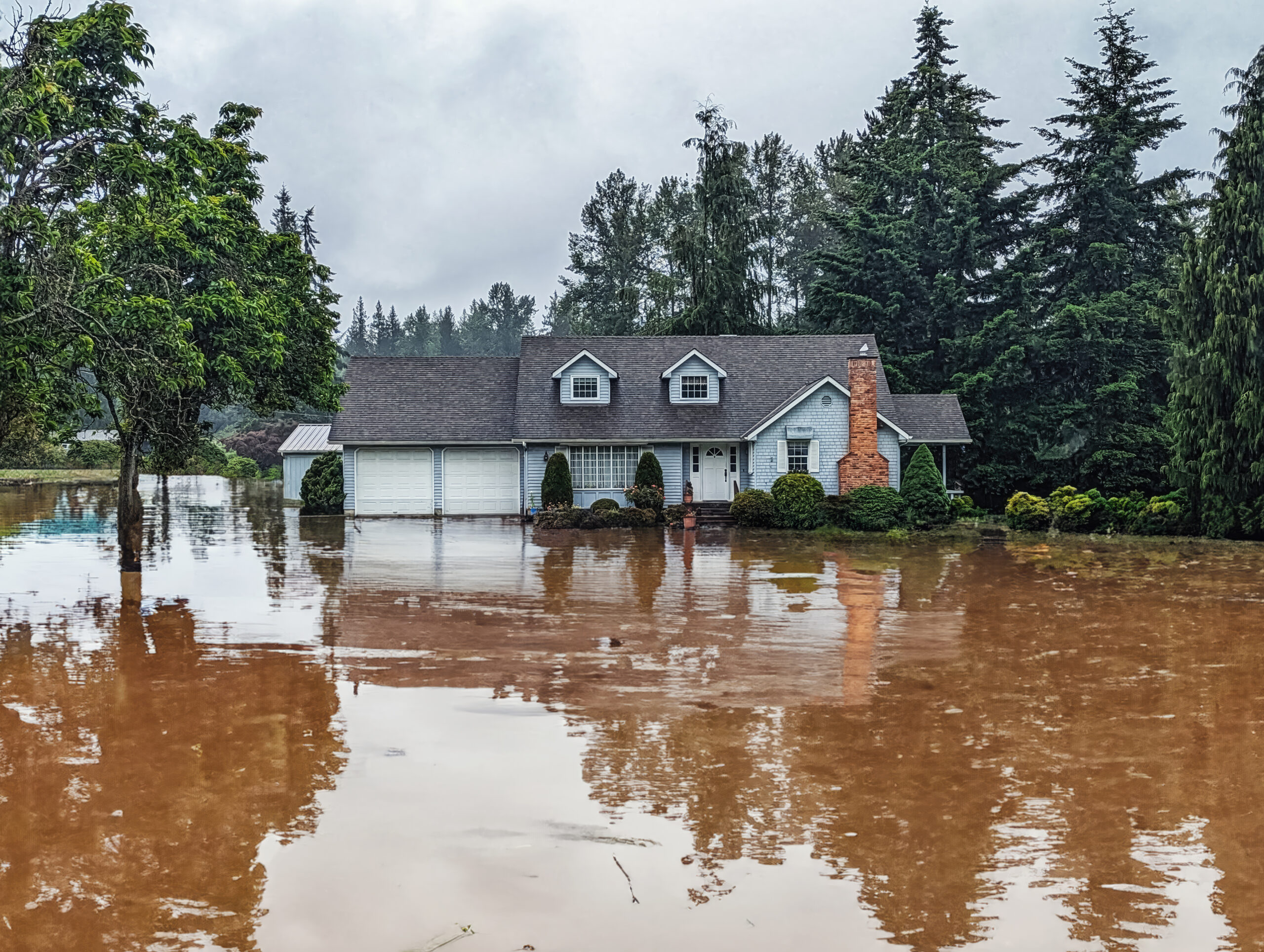
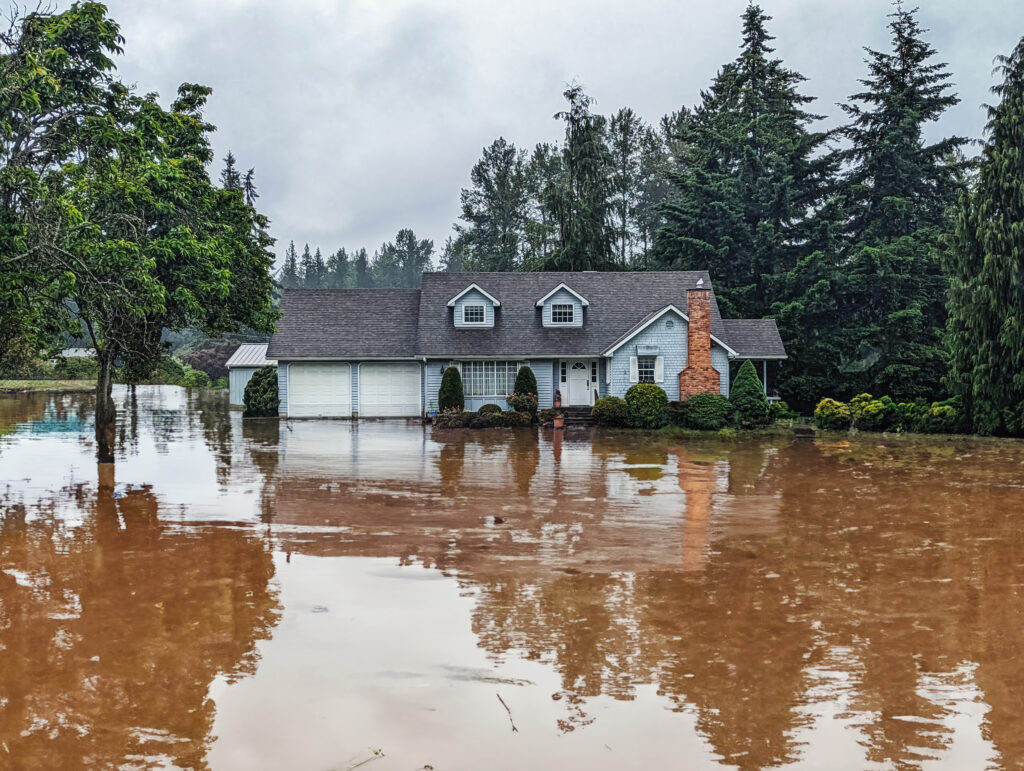
Now the not-so-good news: Flooding from rising groundwater, storm surges, or heavy rains is typically not covered. It requires a separate flood insurance policy.
Most military families find better rates in minutes. Enter your ZIP to compare top carriers side by side — no obligation, no spam.
What Is Flood Insurance?
As we mentioned, floods can happen anywhere, even on a military base, and your standard rental insurance does not cover flood damage. Flood insurance is a separate policy that covers physical loss from a flood event. As a “renter” in base housing, flood insurance is not typically mandatory, but based on the flood risk zone you live in or your comfort level, you may want to seriously consider adding flood insurance to your policy.
Flood insurance is available from two primary sources: the National Flood Insurance Program (NFIP) and private insurers.
Let’s take a look at what each provider offers and the availability to you as a resident of on-base housing.
Overview of NFIP
NFIP is managed by the Federal Emergency Management Agency, known as FEMA. It is delivered to the public by a network of 47 insurance companies and the NFIP Direct. The NFIP Direct facilitates the issuance and administration of NFIP policies and connects agents and policyholders to resources to manage their flood insurance. Flood insurance is available to anyone living in one of the more than 22,000 participating NFIP communities.
See if you are eligible for NFIP flood insurance
Private Flood Insurance Options
You can get private flood insurance from major private providers, including Armed Forces Insurance. Another option is to be matched to flood insurance carriers via an agency like Veterans United Insurance. However, your existing renter’s insurance company may be able to offer supplemental flood insurance or have a partner (like NFIP) that can provide you with flood insurance. For instance, USAA offers flood coverage as part of its standard renters insurance policy, which may be a very reasonable option.
Cost and Coverage Basics
How Much Will My Flood Insurance Premiums Cost?
Like with any insurance policy, it is difficult to get an accurate quote on flood insurance without knowing all of the factors used in calculating premiums. Some of those factors include flood likelihood, type of structure, elevation, and distance from the flooding source, replacement cost value, and any mitigating measures taken to withstand a flood.
NFIP
According to U.S. News and World Report, typical annual NFIP premiums for a single-family home policy in Zone A (high-risk) average $1,630 per year. You can get a quote on NFIP-backed flood insurance on their floodsmart page. FEMA also reminds Americans that when risks change, so can premiums.
Private Flood Insurance: The same house, in Zone A (high risk) covered by private insurance would cost between $600 – $2,800 per year. If you want more options with your flood insurance, including higher coverage limits, then maybe you should consider private flood insurance.
You may ask why choose NFIP if they are not cheaper than private flood insurance? According to Brooks, Todd, & McNeil, NFIP covers homes in high-risk zones, can’t drop you, and is backed by the federal government. NFIP also meets all lender requirements, facilitating the mortgage process.
How Much Will They Cover?
Coverage limits are the highest amount that a policy will pay for covered losses. If your damage is over this amount, you are responsible for those costs. Coverage limits will depend on your insurer.
The type of flooding matters when determining coverage. If you had water damage from a sewer that backed up because of a heavy rainstorm, you are typically not covered with standard renters’ insurance. If you had damage from a sewer backup caused by clogged pipes, you may not be covered under your flood insurance, but you may be covered if you have added this specific type of protection under your renter’s insurance, because this is considered water damage.
Also, there are some items that your flood insurance generally will not cover, no matter what the cause. These are things like cash, precious metals, valuable papers, cars, and personal belongings in basements. To cover excluded high-value items, you’d need a separate valuable items floater on a renters or homeowners policy.
Let’s compare coverage limits between NFIP and private flood insurers.
Federal vs Private Insurance
NFIP: Under FEMA’s NFIP program, your personal belongings are insured up to $100,000. This is the actual cost value at the time of damage, not their original costs, since there is no full replacement value option.
Private insurers: Flood insurance obtained from a private insurer tends to be more flexible than NFIP flood insurance. For instance, if you are living in Florida, you might be able to get a flood policy from Neptune Flood Insurance, which can offer you full replacement cost and insure your personal belongings up to $500,000. You can customize your policy based on the value of your personal belongings, and if you have valuable personal property like jewelry, furs, pieces of art, and collectables, you can choose coverage to ensure you can get full replacement costs.
Here is an example of what you could expect to pay:
| Property Type | Feature | NFIP (FEMA) | Private Insurance |
| Single Family Home | Zone AE (high-risk) | $1,800 – $2,400+ per year | $1,200 – $2,000+ per year |
| Condo | Zone AE (high-risk) | $600 – $1,200 per year | $450 – $900 per year |
| Townhome | Zone X(minimal flood hazard) | $500 – $800 per year | $400 – $650 per year |
Source: The Flood Insurance Guru. Please note that costs for private insurance can vary widely. And premiums vary widely under FEMA’s Risk Rating 2.0 and can differ significantly based on property-specific factors.
Are Military Bases at Risk for Flooding?
Military bases, just like any other location in the world, are at risk of flooding. According to Bloomberg Law, rising seas and more powerful storms put military bases and other federally owned property at risk of losing $387 billion in loss and damage. These are primarily East Coast bases from Maine to Florida. Other military installations are also at risk of flooding. The Government Accountability Office identified the importance of preparing military installations for flooding and climate change. This is a direct threat to aging infrastructure, U.S. military capabilities, and indirectly, the people who live on those bases.
Knowing if your military base housing unit is a flood risk can help you make informed decisions on whether to seek flood insurance. You can go to FEMA’s What’s Your Flood Risk? to check if you are in a flood zone to help you decide if flood insurance is a prudent choice.
You can also research before you decide on where to live. Popular homebuying and rental search engines like Redfin not only include details like school district information and taxes, they also indicate if your would-be house is in a flood zone.
Did You Know?
Almost 30% of all NFIP claims came from outside high-risk areas.
What Happens If Your Home Floods on Base?
According to the GAO, 99% of military housing units are owned and operated by private-sector companies. That means you will have to deal with the property manager for damage to your physical property if you become an unfortunate flood victim. In the past, the Military Personnel and Civilian Employees’ Claims Act (“PCA”) has been an option to assist in recovering damages due to flooding. But because it is not a guarantee that a flood will be covered under PCA, you should plan to work with your insurance company for any loss or damage to your personal belongings. So, what happens if your home on base floods?
What Does the Privatized Housing Company Cover?
More and more privatized housing companies require military families to carry renters’ insurance prior to moving in. Whether you have flood insurance or not, the private management company typically covers flood damage to the physical structure of the home, not the personal contents. This includes repairs to damaged walls, flooring, electrical wiring, and plumbing. They also have to ensure the home is safe and clean, including any mold remediation. If your home is deemed uninhabitable, they may have to provide you with temporary housing. You can also get a rider to your private flood insurance policy that will pay for temporary lodging.
Check your policy on whether housing companies provide alternate housing while collecting BAH.
What Does the Resident Have to Cover?
You are responsible for insuring all personal belongings that are not part of the structure. That includes items such as furniture, appliances (if not provided), clothing, electronics, and area rugs. What is covered depends on whether you went ahead and purchased that flood insurance policy. If you did, you would be covered for all of your belongings up to the limit on your flood policy, whether it was through NFIP or private flood insurance.
Prior to moving in, it is important to check your flood risk and ensure that your policy includes this coverage.
When Flood Insurance Makes Sense
Flood insurance makes sense in several cases, based on where you live and if there has been a history of flooding in the area. Here are cases when flood insurance makes sense:
- Special Flood Hazard Areas (SFHAs): If the base you live on is considered a SFHA.
- Ground-floor Living: If you live in a one-story home or occupy the ground floor of a multi-story building, you are at a higher risk of sustaining flood damage.
- Past Flooding History: Living in areas with a history of flooding requires proactive measures, such as flood insurance, to protect against recurring costs that come with flood damage.
Bottom Line
Flooding doesn’t care whether you live on a military base or not. Because your personal belongings aren’t protected from flood damage under most standard policies, it’s worth assessing your risk and exploring flood coverage options available through NFIP or private insurers. A small investment in flood insurance can save you from a major financial hit and give you real peace of mind while you and your family are assigned to base housing.