Krista Simpson Anderson Discusses Military Loss, Legacy, and Survivor Benefits on The Military Wallet Podcast
In this Military Wallet Podcast recap, Krista Simpson Anderson discusses military survivor benefits, DD Form 93, SGLI, estate planning, grief, and how military families can prepare for life after the loss of a service member.

Why trust The Military Wallet? We’re a veteran-founded resource that has helped millions make strong financial decisions.
Advertiser Disclosure: The Military Wallet and Three Creeks Media, LLC, its parent and affiliate companies, may receive compensation through advertising placements on The Military Wallet. For any rankings or lists on this site, The Military Wallet may receive compensation from the companies being ranked; however, this compensation does not affect how, where, and in what order products and companies appear in the rankings and lists. If a ranking or list has a company noted to be a “partner,” the indicated company is a corporate affiliate of The Military Wallet. No tables, rankings, or lists are fully comprehensive and do not include all companies or available products.
The Military Wallet and Three Creeks Media have partnered with CardRatings for our coverage of credit card products. The Military Wallet and CardRatings may receive a commission from card issuers. You can read more about our card rating methodology here.
Opinions, reviews, analyses & recommendations are the author’s alone and have not been reviewed, endorsed, or approved by any of these entities. For more information, please see our Advertising Policy.
American Express is an advertiser on The Military Wallet. Terms Apply to American Express benefits and offers.
Memorial Day has passed, and with it, the series of articles and social media posts discussing the true meaning of the holiday. It is the responsibility of the military community to continue the conversation now that the picnics and mattress sales have ended. Honoring the fallen also means caring for the families left behind.
In a deeply personal episode of The Military Wallet Podcast, host Ryan Guina sits down with Krista Simpson Anderson, founder of The Unquiet Professional, to discuss grief, military survivor benefits, estate planning, and the long road families face after the death of a servicemember. The conversation helps us reflect on some important, yet uncomfortable questions:
What happens to military families after they are given the worst news of their lives? How does a military family rebuild after the unimaginable? While survivors are rebuilding, their minds are not always focused on benefits and paperwork. Military spouses are worried about getting out of bed each day, setting an example for children, and honoring the legacy of their loved one.
The conversation begins with the story behind Simpson Anderson’s nonprofit, founded after her husband, Staff Sergeant Michael Harrison Simpson, a Green Beret, was wounded in Afghanistan and died five days later. Their story was even featured in PBS’ 2025 Memorial Day Special. What emerged from that loss became an organization focused on helping military families prepare for the unexpected while supporting survivors, veterans, and caregivers navigating life after tragedy.
But the episode goes far beyond one family’s story. It becomes a candid guide to military casualty support, survivor benefits, and the emotional realities that often receive far less attention than they deserve.
The Meaning Behind “The Unquiet Professional”
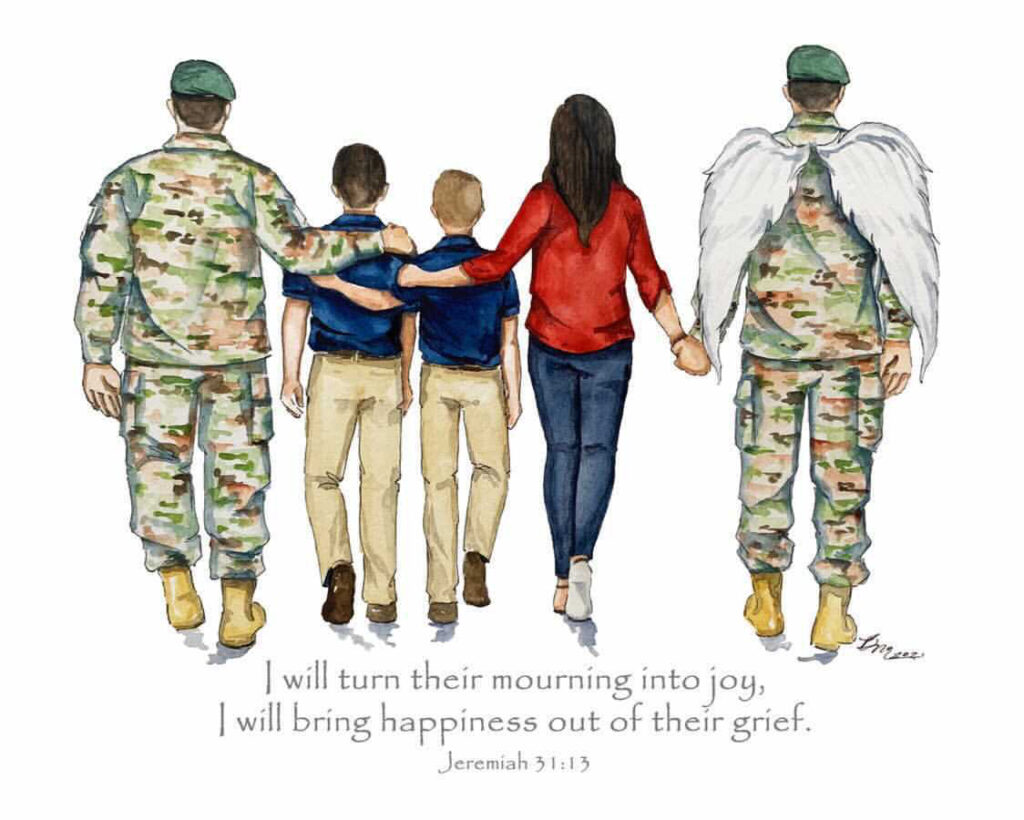
“Honestly, it was created out of grief and gratitude,” Simpson Anderson shared. “I just wanted some purpose—that I wanted to create some purpose not only for myself but to be able to carry on Mike’s legacy of service.”
Simpson Anderson explains that her husband’s Special Forces teammates jokingly nicknamed him “The Unquiet Professional” because, unlike many Green Berets who quietly blend into the background, he openly embraced his identity and service. The name eventually became the foundation of the nonprofit she built in his honor.
Throughout the episode, Simpson Anderson reflects on the importance of legacy — not just in military service, but in the stories families continue carrying long after a loved one dies.
The discussion also highlights the multigenerational military service within the Simpson family and how military identity often becomes deeply woven into family culture. It’s a reminder that when one servicemember is lost, the impact ripples across spouses, children, parents, siblings, and entire communities.
What Families Experience Immediately After a Casualty
One of the most powerful parts of the episode is Simpson Anderson’s description of the hours and days after learning her husband had been injured.
She walks listeners through the medical evacuation process from Afghanistan to Germany, the emotional uncertainty families face while waiting for updates, and the logistical whirlwind that follows a catastrophic injury or death.
The conversation sheds light on something many military families rarely discuss openly: financial survival in the immediate aftermath of loss.
Simpson Anderson explains how nonprofit organizations like the Special Operations Warrior Foundation and the Green Beret Foundation stepped in to help cover travel expenses while her family rushed overseas. She also notes that not every family has the same support network or financial flexibility.
For listeners unfamiliar with casualty support systems, the episode offers a practical look at how casualty assistance officers, chaplains, and nonprofit organizations can help families during crisis situations.
Why the DD Form 93 Matters More Than Most Families Realize
“We’re so afraid to talk about death, but when I teach, I have to break it to everybody: you are going to die at some point,” Simpson Anderson reminds listeners. “We’re going to have to talk about it.”
One recurring theme throughout the podcast is preparation.
Simpson Anderson and Guina spend significant time discussing the importance of the DD Form 93, officially known as the Record of Emergency Data. The form determines next of kin, identifies beneficiaries for the military death gratuity, and designates the Person Authorized Direct Disposition (PADD), who legally controls funeral and burial decisions.
Listeners hear real examples of how outdated paperwork or unclear family communication can create devastating complications after a death.
For military families, the episode serves as a reminder to regularly review benefits as well as key documents, including:
- DD Form 93
- Servicemembers’ Group Life Insurance (SGLI) beneficiaries
- Wills and estate plans
- Guardianship paperwork
- Powers of attorney
Additional information about SGLI and survivor benefits is available through VA.gov Life Insurance and Defense Finance and Accounting Service (DFAS) Survivor Benefits.
Understanding Military Survivor Benefits
The podcast also functions as a practical primer on military survivor benefits — a topic many families only learn about during a crisis.
Simpson Anderson explains how the $100,000 death gratuity is intended to provide immediate financial relief and discusses how SGLI payments, Dependency and Indemnity Compensation (DIC), Survivor Benefit Plan (SBP) payments, and Social Security benefits work together to create longer-term financial stability.
The episode highlights several important realities:
- Active-duty pay stops immediately after death.
- Some benefits can take months — or even years — to fully process if line-of-duty investigations are delayed.
- SBP payments may be taxable.
- Children may qualify for additional benefits and educational support.
- Survivors may inherit VA home loan eligibility and educational benefits like the U.S. Department of Veterans Affairs Fry Scholarship.
Listeners also hear about the Love Lives On Act, legislation advocates have pushed to eliminate remarriage penalties that can strip surviving spouses of key benefits if they remarry before certain age thresholds.
More information about DIC and survivor compensation can be found through VA Dependency and Indemnity Compensation.
The Emotional Side of Rebuilding After Loss
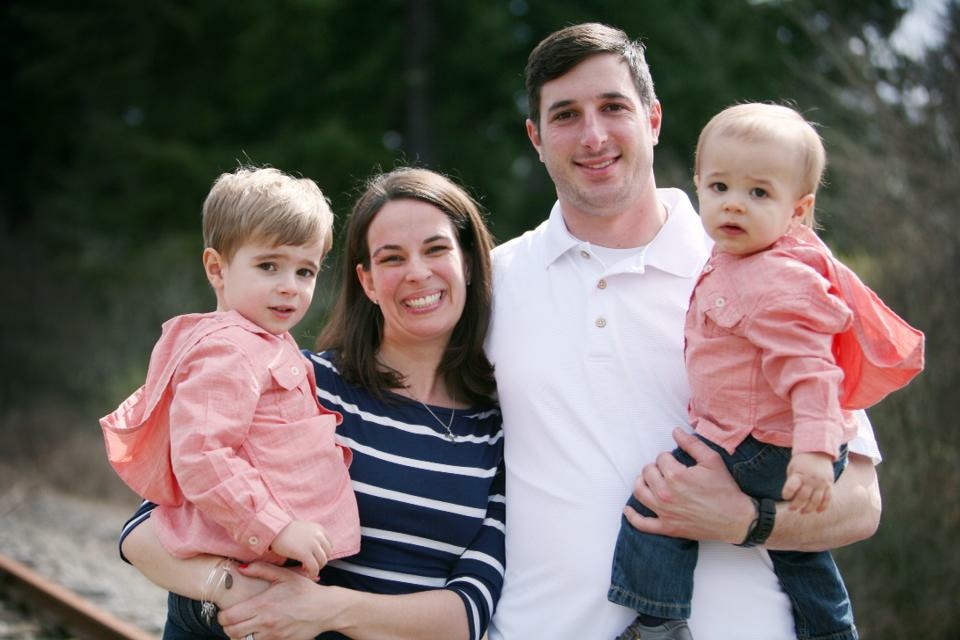
While the episode covers financial and legal issues in detail, it ultimately centers on something harder to quantify: identity, grief, and rebuilding community.
Simpson Anderson describes how surviving spouses are often surrounded by support immediately after a casualty, only to later feel isolated once the initial attention fades. She shares how military identity can disappear almost overnight for surviving spouses who suddenly lose connection to their unit, installation, and community.
The episode explores how organizations like The Unquiet Professional create spaces for survivors and veterans to reconnect through retreats, outdoor activities, and peer support.
Listeners also hear about the importance of maintaining a loved one’s memory through storytelling, advocacy, and shared community.
Creating a “Life SOP” for Your Family
One of the most actionable sections of the conversation focuses on practical preparedness.
Simpson Anderson encourages military families to create what she calls a “Life SOP” — essentially a centralized system containing critical personal and financial information. She describes maintaining a “Life Binder” with documents such as:
- Birth certificates and passports
- Driver’s licenses and military IDs
- Medical records
- Insurance information
- Utility accounts
- Estate planning documents
- Password management information
She also discusses using Keeper Security for password management and stresses that both spouses should know how to access important accounts and records.
The message throughout the episode is not fear-driven. Instead, it’s about reducing chaos during moments when families are already overwhelmed by grief and uncertainty.
A Conversation That Extends Beyond Memorial Day
Although the episode touches on Memorial Day reflection, its broader message applies year-round: military families deserve honest conversations about preparation, survivor support, and the realities of military life after loss.
For servicemembers and spouses alike, this episode offers both emotional insight and practical guidance — from understanding benefits and paperwork to preparing families for worst-case scenarios no one wants to imagine.
Simpson Anderson closes with a message that captures the heart of the discussion:
“Prepare for the worst, pray for the best, and just love your people.”