Should You Buy a Home After Separating from the Military?

Transitioning from the military to civilian world is a big deal – you are leaving your job and the way of life you have known for the last few years, or even the last few decades. The transition is a big one, but with a little planning, you can make a successful transition back into the civilian world.

There are many things most veterans need to consider, including their next job, where they will live, and how to take care of their families while they make the transition. We have covered the topics of writing your post-military resume, finding work, and getting health insurance after separating from the military. We haven’t looked at post-military housing yet, but it’s an important topic. The following reader question is a good example.

Should You Buy a Home Immediately After Leaving the Military?

Buy a home after military separationA reader recently wrote in and asked about buying a home right after separating from the military. I can understand the desire to do so, but is it a good idea? Let’s take a look at the options:

Hi Ryan, I am planning on getting out of the Marine Corps in April, and I am looking at buying a home. Can you share with me the tools I need to obtain a good home and utilize all of my military benefits?  Thank you in advance.

Thanks for sending your message. This is a great question, and the answer is probably more involved than it first appears. Let’s start with the basics – the benefits of VA loans and how to buy a home with one:

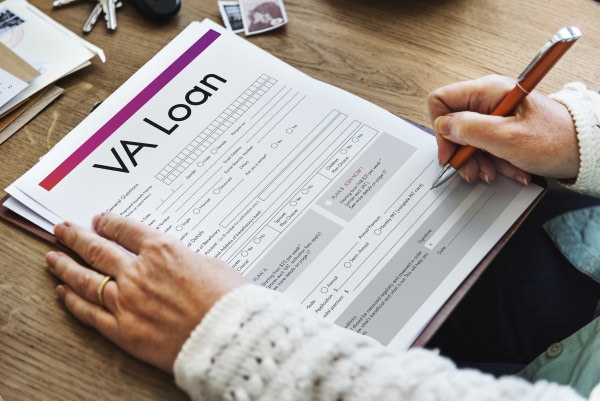
VA home loans are one of the best ways for military members and veterans to buy a home because the government will guarantee the loan – often making it easier to get your loan approved. A government loan guarantee doesn’t mean every veteran is guaranteed to get a loan – this means the government will back the loan if the buyer defaults and the home goes into foreclosure. Borrowers still have to qualify for the loan based on their eligibility, credit score, income, debt to income ratio, and other factors.

You will need to get a VA Certificate of Eligibility, then you will need to go through the VA loan approval process. The process similar to a conventional mortgage loan, but there are a few small details that VA loans require, such as a VA home appraisal, and a few extra forms. Here are more tips on how to qualify for a VA Loan.

Should You Buy a Home During a Career Transition?

Now that you have a little more information about the benefits of a VA Loan, we can get to the heart of answering your question. As we mentioned in the opening paragraph, separating from the military is a major life transition. In many cases, it is better to rent first, then buy. This is true for servicemembers who are PCS’ing or separating from the military.

Why? Because your focus will be on 100 things at once – out-processing, transitioning from the old way of life to a new way of life, finding a new career, potentially relocating to a new area, taking care of your family, and more. At the same time, your finances may be in a flux. You will no longer have the cushion of a tax-free housing allowance, and unless you are retiring from the service, you won’t have free medical care for you and your family. Unless you have a large cash cushion set aside, you may find things getting a bit tight during the transition.

Home ownership can be more expensive than renting over a short time period due to expenses such as buying a home, furnishing it, paying taxes and maintenance, homeowners insurance, homeowner’s association dues, and other expenses.

My recommendation is to sit down and look at your budget before deciding to buy a home. Sometimes it’s better to wait until you have made the transition, have be at your new job a few months, and have given it a few months to see how the change will affect your budget. Then decide when it makes sense to buy a home based on your budget, career, family, and other factors.

If everything is lined up and home ownership is the way you decide to go, then go for it! Just be sure to take your time finding the right house and the right lender. Buying a home is a very expensive process and you want to do it right the first time. Take some time to shop around and get multiple quotes before deciding on your lender.  Remember, VA Loan interest rates are usually very competitive to conventional mortgage loans, and sometimes lower because the loans are backed by the government. But they can also vary by lender, house price, location, and other factors. So it pays to shop around.

Photo credit: nikcname

How to Qualify for a VA Loan

VA Loans are one of the best ways for military members and veterans to buy a home. The benefits are many, and the downsides are few. For example, VA Loans allow veterans to buy a home with no money down. This is almost unheard of in the current real estate market place due to recent changes in lending laws. Interest rates on VA Loans are often slightly lower than conventional mortgage rates because the loans are backed by the U.S. government. If the borrower defaults on the loan, the government makes it up to the lender.

how to qualify for a VA loanThere is one misconception we need to clear up, however. Every person who is eligible for a VA Loan won’t necessarily qualify for a VA Loan. Borrowers must first meet eligibility requirements based on their service, then they must qualify for the loan based on their financial circumstances. Let’s look at these in more depth:

VA Loan Eligibility

To be eligible for a VA Loan, servicemembers and veterans must first obtain a Certificate of Eligibility (COA). The VA Loan COA is required by the VA and the lender. Servicemembers and veterans qualify for a Certificate of Eligibility based on their military service. These are free to obtain, and must be obtained through the VA. Please don’t let a company charge you to obtain your VA Loan COA! In fact, if a company wants to charge you for this, my recommendation is to look for another lender. Here are the requirements according to the VA:

In general, you must have been discharged under conditions other than dishonorable and meet the service requirements below:

  • Active Servicemembers: Serve at least 90 continuous days on active duty
  • Veterans: Served 181 consecutive days on active duty or 90 days during war time
  • Guard and Reserves: Served at least six years in the National Guard or Reserves, or 90 days on active duty during a period of war
  • Spouses: Be the unremarried spouse of a servicemember who was killed in the line of duty.

There are several other caveats, exclusions, and special circumstances, so be sure to check with the VA if you are unsure about your eligibility.

How to Qualify for a VA Loan

Once you establish your VA Loan eligibility, you need to qualify for the actual loan. This includes your credit score, income, debt to income ratio, fixed expenses, and other factors. These criteria are very similar for a conventional home loan.

Credit score: Your credit score is a record of how well you have used your credit in the past. In general, the higher your credit score, the lower your interest payments. It’s a good idea to know what your credit score is before buying a home so you know what kind of interest rate you will be approved for – or if you will even be approved for a loan based on your credit history. Here are some tips for getting a copy of your credit score for free.

If your credit score needs improvement, it’s a good idea to work on raising your credit score before applying for a loan. This will increase your odds of approval and help you get a better loan.

Income: Your income also affects your ability to get a VA Loan approval. The higher your income, the better your chances of having your home loan approved. Don’t let a low income prevent you from trying to buy a home though. Your loan application may be approved if you have a good credit score, don’t have any debt, and you are trying to buy an inexpensive home with affordable payments. Lenders may wish to see proof of income, including a copy of your pay stub or Leave and Earnings Statement if you are in the military. Lenders may also wish to see a copy of your tax returns if you are self-employed or if they need more information about your income. Don’t forget to include any additional income you may receive such as VA Disability Compensation, a military pension, income from a side job, etc.

Debt to Income Ratio and Fixed Expenses: Even if you have a great credit score, you may not be approved for a loan unless you can prove you can pay for it. Lenders will want to know more about your fixed expenses such as auto loans, student loans, child support or alimony, or other fixed payments. Lenders add up all your fixed monthly expenses into what they call your Debt to Income ratio, which shows them how much of your income each month goes to paying of debt and other fixed expenses. They want to look at the percentage of income your house payment will be, in addition to how much your total debt each month will be. This article explains debt to income ratio in more detail. In general, it’s best to reduce your bills as much as possible before applying for a loan.

Other factors: Each loan application is unique, so there may be other factors that affect your ability to get a VA loan approval. Some of these items include previous loan defaults, the value of the home you wish to buy, and other factors. It’s impossible to know or list every factor that could apply.

If you are planning on buying a home with a VA Loan, then check out our VA Loan interest rate page which lists current interest rates from a variety of lenders. This will give you an idea of what current interest rates are in your area.

Get a Free Flu Shot from the VA

Flu season is just around the corner, and it is better to get immunized sooner rather than later. While flu shots can be expensive, there are several ways to get your shot free or at a reduced cost.

For instance, did you know that US Military Veterans can get free flu shots at local VA hospitals and clinics? This is a free service provided by VA clinics and hospitals to all US military veterans, regardless of when they served.

How to get your free flu shot from the VA

To receive your free flu shot from a VA clinic or hospital, you have to be in the VA’s medical system. If you are not already in their system, you will need to provide a copy of your DD Form 214 to prove your military service. After you are in their system, they will require you to fill out a standard health questionnaire and then you can get your shot. It’s that easy.

For more information about getting a free flu shot from the VA, or to find the nearest VA medical facility, contact your local VA facility.

Don’t qualify for the free VA flu shot? Try these tips

If you have family members how do not qualify for the free flu shots, try these tips for free and inexpensive flu shots:

  • Local hospitals and clinics – some charge as little as $10-20 per shot. Check in your local community for more information.
  • Insurance company – Many insurance companies provide free or reduced immunizations. Check your policy to see if you are eligible.
  • Grocery stores, drug stores, and retailers – Many stores that see a lot of foot traffic offer customers a way to get inexpensive flu shots. This is a great way for them to increase their traffic, and the stores’ management know that when people come for a flu shot, they are also likely to spend money shopping.
  • Employer – Many companies and employers provide free or discounted flu shots because the cost is much less expensive that the lost productivity of people missing several days for the flu.
  • Airports – Some airports now offer flu shots as a way to reach the travelers.

Flu season is fast approaching. Don’t forget to immunize yourself!

VA Loan Closing Costs – What to Expect

We recently discussed VA Loan funding fees, which are required of all veterans buying a home through a VA Loan, with the exception of those who receive a service-connected disability payment from the VA (or would receive it if they weren’t receiving retirement pay), and a surviving spouse of a veteran who died while in service, or of service connected disabilities. While that covers funding fees, it doesn’t cover all the associated VA Loan closing costs and fees you may be required to pay. Let’s cover a few other closing costs and fees home buyers using the VA Loan might experience.

VA Loan Closing Costs

The VA has strict rules regarding which fees veterans are required to pay, and which fees are considered non-allowable. Those fees which are considered “reasonable and customary” by each local VA office are considered allowable, otherwise they cannot be charged to VA Loan borrowers and are generally paid for by the seller. If you are applying for a VA Loan, you should be aware that some, or all, of the following fees may be applicable to your VA Loan application. Additionally, the lender may charge a fee equal to 1% of the loan, which can be used to cover expenses not on the following list:

  • VA Loan Closing Fees. These are generally minimal if non-existent, and are often rolled into the purchase price of the house.
  • VA Loan Funding Fees. Unless you are exempt, VA Loan funding fees are required by federal law.
  • VA required inspections and appraisals. The VA requires certain home inspections to be performed before they will fund the loan. The house must be in good repair, must match the description on all documentation, and it must appraise for the sale price or higher.
  • Credit report and score. This is charged by the lender, and is required. You can expect to pay around $15-$40 for this, but be sure to get it in writing before agreeing to pay – anything over $40 is excessive (note: you can get your own free credit score for personal use).
  • Title Insurance. This is essential, especially in our current economy. Many properties have been affected by foreclosures, fraud, and other serious problems – protect your investment!
  • Flood zone determination. Your lender will require you to carry flood insurance if your new home is in a flood plain or flood hazard area.
  • Survey. If required.
  • Taxes and assessments. Home buyers may be required to pay a portion of taxes or other assessments based on federal, state, and local laws.
  • Recording fees, documentation fees, and postage. Some lenders charge a variety of documentation and mortgage preparation fees. Be sure to get an itemized list in writing before going to closing so you have a good idea of what you are being charged, and whether or not the rates are reasonable.

Additional VA Loan Closing Fees

As mentioned above, the VA has strict rules regarding which fees cannot be charged to veterans. These fees are generally covered by the lender out of the flat 1% fee.

  • Documentation fees
  • Postage
  • Notary fees
  • Mortgage assignment and transfer paperwork
  • VA Loan application fees
  • and more

You should be aware that many of the fees associated with a mortgage are negotiable and should be discussed in advance of closing. Always review any associated fees and question them if you are in any doubt regarding the nature or cost of the fees. This is your home loan and your money, and no one cares about it as much as you do!

Do you know of any other VA Loan related fees?

Looking for a VA Loan? Check out VAMortgageCenter.com, which offers competitive rates on VA Loans and can help walk you through the entire application process.

Understanding VA Home Loan Funding Fees

VA Home Loans are one of the best ways for veterans to finance a home purchase. VA Loans offer veterans a chance to buy a house with little to no money down, and in many cases, the VA Loan interest rates are competitive with conventional mortgage rates, sometimes they are even lower. This was the situation my wife and I found when we recently used a VA Loan to purchase our home.

We would have easily qualified for a conventional mortgage since we have excellent credit scores, and since we put down over 2o% of the purchase price we would not be required to pay PMI, equalizing one of the benefits of using a VA Loan, since VA Loans are backed by the government and don’t require PMI. A conventional loan also would have been less work on our end – it would have required less paperwork and probably would have closed a few days more quickly. However, we were able to secure a lower interest rate, which saved us several hundred dollars per year and made it well worth applying for a VA Loan.

The final issue we had to consider, in addition to the interest rates, was the total amount of fees associated with the loan. This is where understanding how VA Loan funding fees work is important.

No closing costs with a VA Loan, but you have to pay a funding fee

Many veterans choose to use a VA Loan to finance their home is because they don’t have to pay any closing costs on their purchase and they don’t have to make a down payment. This can save home buyers several thousand dollars on the closing date. But VA Loans may be subject to a funding fee, which is required by federal law and is something that conventional loans don’t have. It’s important to be aware of these fees, and account for them when comparing a conventional and VA Loan.

VA Loan funding fees

The VA Loan funding fee is currently assessed at 2.15% of the purchase price of the home for veterans who are using a VA Loan for the first time and don’t put any money down.Veterans buying a home without a down payment and using a VA Loan for a second time are required to pay a 3.3% funding fee.

So a $200,000 house would have a $4,300 funding fee for a first time VA Loan user, and $6,600 for a second time VA Loan user. The VA Loan funding fee is required by federal law to have veterans help pay for the benefit of being able to buy a house with no down payment (this helps US tax payer dollars go further). This fee can be paid at closing, or it can be rolled into the purchase price – allowing the veteran to buy the house with no down payment.

VA Loan Funding Fee Reductions

Borrowers who make a down payment may be entitled to a reduction in their VA Loan funding fees. A down payment of 10% will result in a first time funding fee of 1.5%, greater than 10% will be 1.25% of the loan. The fess are 1.75% and 1.5% respectively for second time VA Loan users.

Members of the Guard/Reserves may pay a 2.4% fee for first-time use with no down payment, a down payment up to 10% requires a 1.75% fee, and a down payment of 10% or more comes with a 1.5% funding fee. Guard/reserve veterans using the VA Loan a subsequent time are required to pay a 3.3% funding fee if they are not making a down payment, a 1.75% fee for a down payment up to 10%, and a 1.5% funding fee for a 10% or greater down payment.

VA Loan Funding Fee Exemptions

There are some exemptions for the funding fee – for example, veterans may be exempt if they receive service connected disability compensation from the VA, and veterans who would be entitled to receive compensation for service-connected disabilities if they did not receive retirement pay. Additionally, surviving spouses of veterans who died in service or from service-connected disabilities may be exempt from paying VA Loan funding fees.

Be sure to speak with your lender if you believe you may be eligible to have the VA Loan funding fee waived. If you are eligible for this exemption, you will need to provide documentation of your VA disability to your waiver. You can accomplish this by contacting your regional VA center with your lender’s information and they will fax the appropriate documents to your lender. Allow for approximately 1 business week for this, though in some cases it can be accomplished within a day or two.

Being Aware of Funding Fees Helps You Compare

The VA Home Loan funding fees can make a big difference in the bottom line, and in some cases, might equalize the closing costs if you were to use a conventional loan. The best way to compare a VA Loan to a conventional loan is to list all associated costs, determine your down payment, and decide which option is best for your specific situation. If you are making a large down payment (20% or more), then you can probably make a case for either loan. If your down payment is small, or non-existent, then it may be best to go with a VA Loan. Again, run the numbers for your situation, and see which option is best.

Looking for a VA Loan? Check out VAMortgageCenter.com, which offers competitive rates on VA Loans and can help walk you through the entire application process.

Pros and Cons of Refinancing a VA Loan

One of the most popular military benefits is the VA Loan, which makes home ownership more easily attainable for thousands of veterans. Sometimes you can lower your monthly VA Loan payment by refinancing it at a lower interest rate, or by changing from an adjustable rate VA Loan to a fixed rate loan. Whatever the reason for refinancing your VA Loan, you should consider the pros and cons as they apply to your situation.

Benefits of s VA Loan Refinance

refinance a VA Loan

Should you refinance a VA Loan?

If your VA Loan is an Adjustable Rate Mortgage (ARM), you probably find that the interest rate tends to increase rather than decrease, which causes your monthly payment to increase.  It’s not unusual for homeowners with ARM loan payments to find themselves paying more than the current fixed mortgage rates. In this case, you will probably benefit greatly by refinancing your mortgage to get a lower, fixed interest rate.

If you have a first and second mortgage, refinancing into a single mortgage might help you consolidate your monthly bills to help you save money and make bill paying easier.

No matter what kind of mortgage you have, if the interest rates are at least a point lower now than they were when you obtained your loan, refinancing is probably worth the time and effort.  If you refinance for the same number of years you’ll extend your payment date, but end up with a lower monthly payment.  You can pay more than the monthly payment in order to reduce the number of years you owe on your home.

Disadvantages of a VA Loan Refinance

Refinancing a VA Loan usually involves fees, though in some cases you can roll the costs of the refinance into the new loan instead of paying anything out of pocket (you can do this with a VA Streamline refinance). Be sure to evaluate how the fees will affect your monthly payment and determine if it is worth your effort. If you know you will be moving within a few years it may not make sense to refinance because you won’t have time to recoup any savings.

Refinancing may cause you to pay more years on your mortgage.  For example, if you had only 15 years left on your 30 year mortgage, you may need to refinance for another 30 year term, which causes you an additional 15 years of payments. The only time this would make sense is if you could no longer afford your current payment and extending the loan for an additional 15 years will help prevent a foreclosure. Just keep in mind that if you do this, you will be paying thousands more in interest payments in the long run. Extending the duration of your loan should be a last resort.

Alternatively, sometimes a mortgage refinance will be a shorter period of time, which can increase your monthly payment drastically. Here is an example of refinancing a 30 year VA Loan into a 15 year loan.

If you are refinancing a mortgage in order to cash out your home equity (and use the money for home repairs, vacation, or something else) keep in mind that if home prices should drop you will owe more than the value of the home.  This is a problem if you try to sell your home before home values increase, again.

Run the numbers and apply them to your personal situation

In some cases, refinancing a VA Loan can save you hundreds of dollars each month, allowing you to quickly recoup the associated costs of refinancing your VA Loan. Additionally, refinancing into a fixed rate loan from an ARM can give you stability and certainty regarding your monthly VA Loan payment. In other cases, you may not save much with a refinance, and it may end up costing too much to be worth your time. Your best bet is to sit down and run the numbers based on how much you will save, how long you will live in the house, and any other relevant information.

Looking for more information about refinancing your VA Loan? Here are more options for refinancing a VA Loan and current VA Loan rates.

photo credit: nikcname.

What Credit Score is Needed to Refinance a VA Loan?

Many military veterans are considering refinancing their VA Loan due to mortgage rates being near historic lows. There are several benefits to refinancing your VA Loan, including a lower monthly payment, better terms, and potentially being able to pay off your VA Loan more quickly. Your credit score is one of the most important factors to consider when you apply to refinance your VA Loan, but it isn’t the only factor. Let’s take a look at what lenders look at when you apply to refinance your VA Loan.

What Credit Score do You Need to Refinance a VA Loan?

The first question that often comes to mind when considering a VA Loan refinance is what credit score is needed to qualify for the loan. This is an important factor to consider, but it isn’t the only factor you need to look at. Most mortgage lenders also take other factors into consideration when approving a refinance application. Some of these factors include your debt to income ratio, credit history, and the amount of home equity, or ownership you have.

You need a good credit score. Each lender has a different minimum credit score requirement for refinance approvals. However, you should assume that you need your credit score to be in a high credit score range. If your credit score isn’t high, hen you should work to improve your credit score before your apply for a refinance loan, which will help improve your chances of having your VA Loan refinance approved.

Debt to income ratio. Your debt to income (DTI) ratio represents the percentage of the monthly gross income that goes toward paying your fixed expenses such as debts, taxes, fees, and insurance premiums. Lenders us your DTI ratio as an indicator of cash flow to see how what percentage of your income is going toward fixed costs. Lenders use different standards for loan and refinance approvals, but the thing to remember is a lower DTI ratio is better than a high DTI ratio.

Credit history. Lenders use your credit history to verify how well you have handled credit in the past. Past performance isn’t always an indicator of future performance, but it has proved to be useful for lenders. A few blemishes may not hurt your chances of a VA Loan refinance, especially if they happened some time ago, since recent credit history is weighted more heavily. If you have problems with your credit history, then it may be best to try and clean things up for a few months before applying.

Home equity. The larger the percentage of your home yo own, the easier it may be to get approval for a refinance loan. Lenders typically prefer the owner to have around 20% home equity before they will approve a refinance loan, but this isn’t a hard rule with all lenders. There are also some government programs available for people who have less than 20% home equity.

What if Your VA Loan Refinance Application is Declined?

Lenders can approve or decline a refinance application for a variety of reasons, so your best course of action is to speak with the loan officer who declined your application and ask him or her to explain why your loan application was declined and if they have any recommendations you can use to improve your odds of being approved for a future VA Loan refinance application. You should also be aware that a new law will soon require lenders to give you a free credit score when they decline your loan application. This information can be helpful in determining your next steps to improve your credit score, or work on other areas, such as improving your debt to income ratio, improving your credit history, or increasing your amount of home equity.

Find current VA Loan Rates on our site, or visit VAMortgageCenter.com to see what your refinancing options are.

PCSing? Rent First, Then Buy

My wife and I just sold our home and relocated 350 miles away from our old home. We made the move so we could live closer to family. We spent a lot of time preparing for the move and are relatively familiar with the area as we visited there several times each year – mainly for holidays and other family events. Our long term plan is to buy a house, but even though we were pretty familiar with the area, we decided not to buy a house immediately.

Why Renting First is a Good Idea

There are a lot of reasons why renting before buying is a good idea. But basically it boils down to this: unless you are intimately familiar with the area, you probably don’t have enough information to buy a house right away and make the best decision.

How well do you really know the area? My wife and I are  familiar with the area. But we don’t know it intimately. We know the major roads and attractions. But we don’t know the best routes for commuting, the best schools, which neighborhoods have the best resale value, etc. We could do a crash course and attempt to buy a house in a 30 day window, but I would hate to rush to buy a home and make a couple hundred thousand dollar mistake because I was impatient.

How much time do you have to buy a house? We had approximately 30 days to close on our home once we received the offer sheet. 30 days is actually a good amount of time to move, but it’s not enough to coordinate a move and shop for another house 350 miles away. We still needed to coordinate a lot of things back home, such as the house inspection and some repairs, hiring the rental truck, packing, etc. (We did most of this ourselves, since we are no longer in the military and don’t have TMO to coordinate this for us). Trying to find and buy the perfect house in such a short time frame was stress we didn’t want or need.

Do you have time to apply for a loan and close on your house? Closing on a house can often take 30 days, even if you have already applied for your VA Loan. Sometimes the delay doesn’t come from your end either – you may find the perfect house, but the owners need more time to move out, leaving you in a lurch.

Plan on using a VA Loan? Be sure to apply for your get a VA Certificate of Eligibility before applying for VA Loan. Check here for VA Loan Rates.

Do you have to buy? You might think you need to buy a house right away, but shortly after you arrive, you may decide that buying is not the best personal or financial decision for you. Renting first takes away the stress of relocating and gives you the opportunity to make decisions at your own pace, instead of being forced to act for the sake of acting.

If you want to buy, sign a short term rental until you know the area. My wife and I were lucky enough to move in the middle of the slow season for rentals and there were several homes on the market in our budget. We negotiated with our landlord and instead of signing a 12 month lease, we were able to get a 3 month lease with a month to month option. This helps bot h parties – we get a house to use as a home base while we look for a home to buy, and the landlord gets a paying  tenant to occupy the house until the spring, when rentals generally pick up.

Take your time when buying a house

I’m not saying you shouldn’t buy a house. We are planning on buying one within the next few months. But I am recommending you wait a few months until you better understand your needs in the local area. Buying and selling a house is expensive, and it is probably one of the largest single financial decisions you will ever make. Take your time so you don’t make a couple hundred thousand dollar mistake.

Pros and Cons of Reverse Mortgages

A reverse mortgage is just what it sounds like – it is a lien on a home that works in reverse to a traditional mortgage. Instead of borrowing money to purchase a home, a homeowner starts off owning the home and takes out a reverse mortgage in order to release the equity from their property in the form of payments or as a lump sum payment.  Due to the way a reverse mortgage works, they are only available to seniors.

The obligation of the homeowner to pay back their mortgage is deferred until the owner dies, sells the home, or moves to a nursing home or assisted living facility. Reverse mortgage lending limits are $625,500, regardless of how much the home is worth and the maximum amount that can be charged for a loan origination fee is $6,000.

Pros and Cons of Reverse Mortgages

Who Qualifies for Reverse Mortgage?

In the United States, only borrowers who are 62 years or older qualify for reverse mortgages.  Unlike other mortgage products, it doesn’t matter which credit score range you are in and there are no credit or minimum income requirements.  If you have an existing mortgage when you apply for a reverse mortgage, you must pay it off with proceeds from a reverse mortgage.  Not all homes will qualify for a reverse mortgage.  Mobile homes qualify if they meet certain criteria, like having a permanent foundation and being built after 1976.

Anyone looking to get a reverse mortgage must first attend third party financial counseling by a provider who is approved by the Department of Housing and Urban Development (HUD).  During the counseling, borrowers will learn exactly what a reverse mortgage is and how to obtain one before proceeding with the process.  The counseling sessions cost around $125, although there are federal agencies which provide grants to enable people to attend counseling for free.

Advantages of Reverse Mortgages

Many people automatically assume a reverse mortgage seems “too good to be true,” but in the right circumstances a reverse mortgage creates a valuable financial resource for individuals during their retirement.  Benefits and advantages of a reverse mortgage include:

  • No default. Where as you can lose your home if you fail to make payments on a home equity loan, reverse home mortgage lenders do not have claim over your assets or income.
  • Cannot be “upside down.” You will never owe more than the value of your home, even if the price of the home declines after you secure a reverse mortgage.
  • Use the money how you want. There are no restrictions for what you use money from a reverse mortgage for.  You can use it to travel, purchase long term care insurance, pay for your children or grandchildren educational expenses, get a new car – anything goes.
  • Tax free money. when a homeowner receives money from a reverse mortgage, it’s actually a loan.  So the money is not taxable.
  • Choose how you get the money. You can receive money from a reverse mortgage in a single lump sum, a credit line, annuity, or a combination of payment options.
  • Remain homeowner. You remain the homeowner and have the ability to stay in your home with a reverse mortgage – for as long as you want.

Disadvantages of Reverse Mortgages

Like everything in life, there are also disadvantages involved with reverse mortgages.  The following circumstances may render a reverse mortgage a poor choice for you:

  • Eligible for Low-income assistance. If you receive low-income assistance from the government (such as Medicaid) keep in mind that getting a reverse mortgage may disqualify you from receiving the benefits.
  • Planning to move soon. You owe the reverse home mortgage loan back to the lender if you decide to move from your primary residence.  If you plan to move in a short period of time after obtaining a reverse mortgage, it’s not in your best interest to get one.  Closing costs on reverse mortgages are higher than conventional mortgages, and this will be a costly move.
  • Leaving house to heirs. If you intend to leave your home to your heirs, a reverse mortgage may not be a good option.  It decreases equity in your home and affects the value of the estate.  If you do a reverse mortgage, you can still leave the home to heirs who can choose to refinance, pay off the mortgage, or sell the home.

Reverse Mortgages Can Be Useful

Reverse mortgages can be useful when used in the right situation – but they aren’t for everyone. If you qualify for a reverse mortgage and find yourself needing income, then a reverse mortgage may be a good way to tap into your home equity. Just keep in mind the situations in which a reverse mortgage is due: when the owner dies, sells the home, or moves to a nursing home or assisted living facility.

Should You Pay Off Your Mortgage Early?

Many homeowners face a common dilemma – should they pay off their mortgage or invest? There are obvious pros and cons for each situation, and since each situation is unique, there is no one-size-fits-all answer to the question.

Should I Pay Off My Mortgage Early?

We recently received this reader question from someone who has the ability to pay off his mortgage, but isn’t sure if it is the right decision. Here is the question:

We re-financed in 2003 to a 15-year mortgage and currently have a balance of $66,000. We can easily afford to pay it off right now while still having considerable investments. Due to the differing opinions on the subject, we’re not sure whether we should pay off the mortgage or not.

Thoughts?

I’m not sure there is a right or wrong answer to your question – at least based on the information we have at hand. Even though we can’t give you a specific answer to your question, we can point out a few factors to consider to help you make the best decision for your situation.

Before Paying Off Your Mortgage…

Do you have any other debt? If so, then you should probably try and eliminate other debt first, especially if it is higher interest or on a depreciating asset (like a car). Why? Mortgage debt is typically lower interest than other loans and your mortgage interest is tax deductible if you itemize your taxes (you don’t want to keep a mortgage just for a tax deduction, but it makes more sense to keep a mortgage over other debts if the interest is lower or your can’t deduct interest from other loans).

Do you have an emergency fund? You should consider how much money you will have left in your emergency fund if you pay off your mortgage in full. Will you have enough cash to handle any unexpected expenses? Will you be able to sleep comfortably at night knowing you have enough ready cash to handle any emergency. Do you have other savings outside of your emergency fund? For example, will you need to make a large ticket purchase in the near future (car, vacation, home repairs, etc)?

What about retirement funds? Are you investing in your 401k or IRA, or both? If you are already maxing these out, and have an emergency fund, then paying off your mortgage might be a good idea to eliminate your mortgage debt once and for all. On a similar note, paying off your mortgage may also be a good idea if it increase your cash flow enough that you will be able to contribute more to your retirement funds, or otherwise use the money productively.

Where is the money coming from? Is the money you would use in a standard savings account, in a CD ladder, or other liquid account? Or would you have to cash in investments to get the cash you need? You definitely want to avoid early withdrawal penalties, so you wouldn’t want to do this if you would need to tap into retirement funds. You may also wish to avoid cashing out other investments if you would incur a large tax bill. Non-retirement investments are still subject to capital gains taxes, which can be as low as 15% if you held the investment for over a year, or as high as your normal tax bracket if you have held the investment for less than a year. So the money you save on mortgage interest may not be worth cashing in the investments if you will be on the hook for 15% (or more) in taxes.

Do you have a plan? Paying off your mortgage is a huge achievement – but do you have a plan for what you will do next? Your mortgage is likely your biggest monthly commitment, and paying it off should dramatically increase your cash flow. Before paying off your mortgage, have a discussion with your spouse about how you will handle the additional cash flow each month. Will you use it to pay off other debts, increase retirement fund contributions, invest outside of retirement funds, or something else?

You don’t have to use 100% of the additional cash flow for investing or other “responsible” activities. But you do need to be aware of how your new found cash flow can change your spending habits. You want to avoid lifestyle inflation if you can help it.