Veterans Discharged Under ‘Don’t Ask Don’t Tell’ Are Now Eligible for VA Benefits
LGBTQ+ Veterans are now eligible for a broad range of VA benefits, including healthcare, disability compensation, and housing assistance, regardless of their discharge status under "Don't Ask, Don't Tell."

Why trust The Military Wallet? We’re a veteran-founded resource that has helped millions make strong financial decisions.
Advertiser Disclosure: The Military Wallet and Three Creeks Media, LLC, its parent and affiliate companies, may receive compensation through advertising placements on The Military Wallet. For any rankings or lists on this site, The Military Wallet may receive compensation from the companies being ranked; however, this compensation does not affect how, where, and in what order products and companies appear in the rankings and lists. If a ranking or list has a company noted to be a “partner,” the indicated company is a corporate affiliate of The Military Wallet. No tables, rankings, or lists are fully comprehensive and do not include all companies or available products.
The Military Wallet and Three Creeks Media have partnered with CardRatings for our coverage of credit card products. The Military Wallet and CardRatings may receive a commission from card issuers. You can read more about our card rating methodology here.
Opinions, reviews, analyses & recommendations are the author’s alone and have not been reviewed, endorsed, or approved by any of these entities. For more information, please see our Advertising Policy.
American Express is an advertiser on The Military Wallet. Terms Apply to American Express benefits and offers.
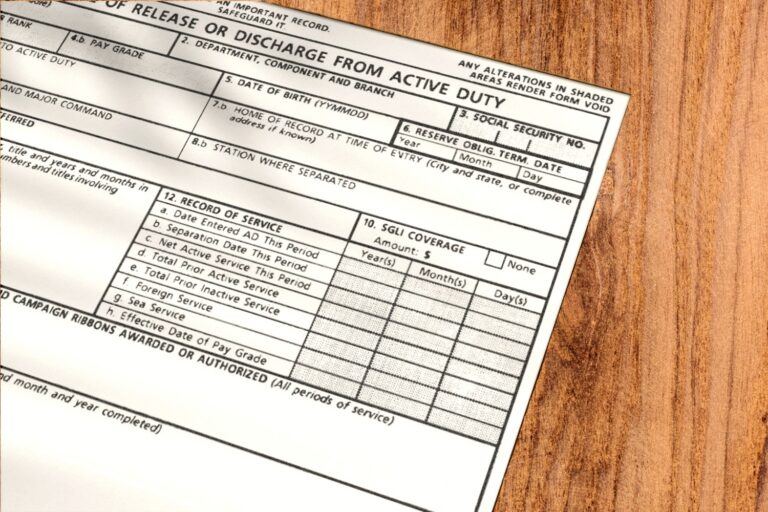
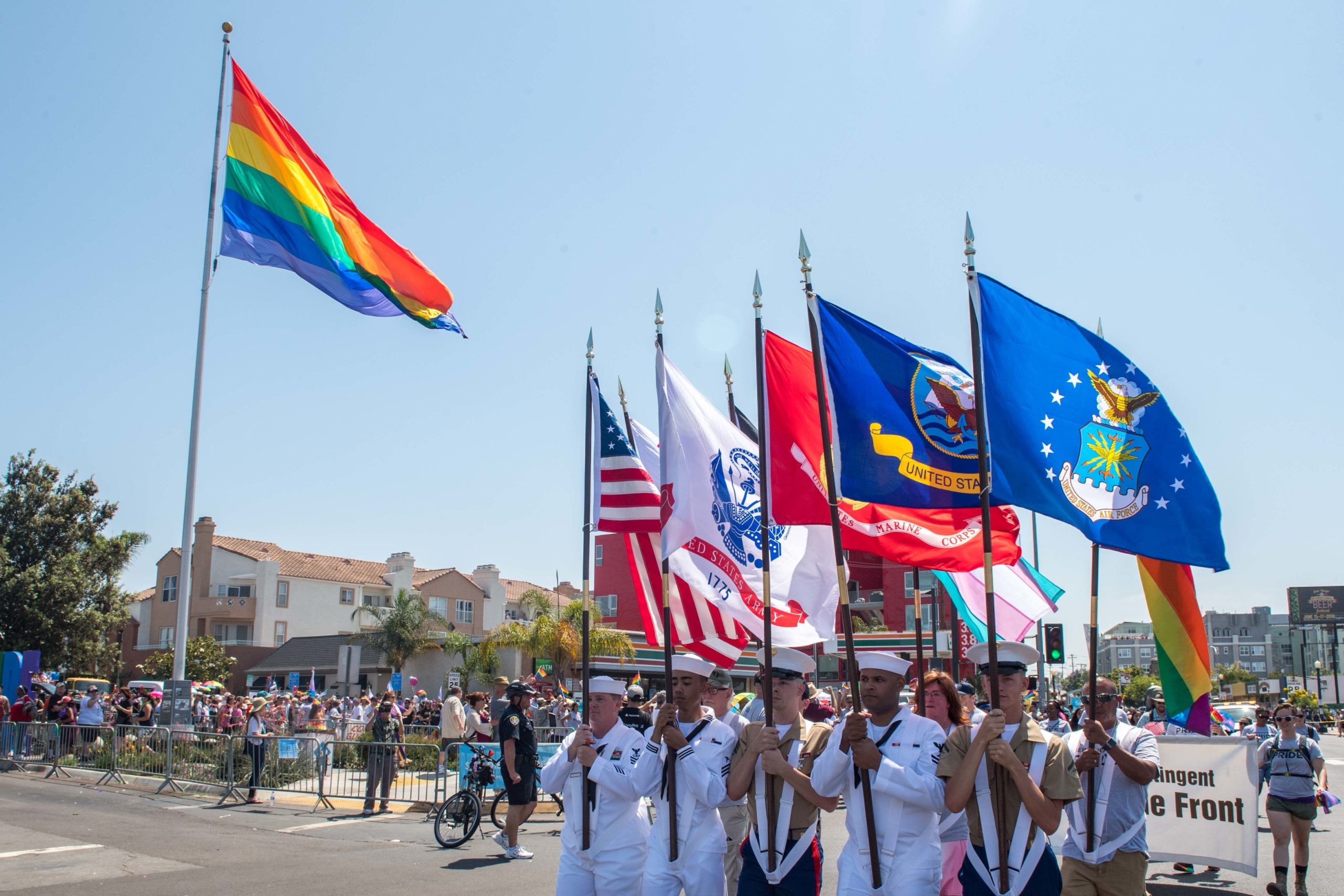
Veterans discharged for their sexual orientation, gender identity or HIV status under the “Don’t Ask, Don’t Tell” policy are now eligible for all Department of Veterans Affairs benefits. The VA announced the veterans’ new eligibility during a virtual White House event on Monday marking the 10th anniversary of the bill’s repeal.
“More than 100,000 service members have been discharged because of their sexual orientation or gender identity,” President Joe Biden said in a written statement about the anniversary event. He said at least 14,000 of those service members were discharged under the “Don’t Ask, Don’t Tell” policy enacted by President Bill Clinton in 1993.
“Many of these veterans received what is known as ‘other than honorable discharges, excluding them and their families from the vitally important services and benefits they had sacrificed so much to earn,” Biden said.
Ten years after the end of Don’t Ask Don’t Tell, I’m reflecting on the courage of LGBTQ+ servicemembers who answered the call, both before and since it became possible to serve openly—as well as those who fought to ensure all could wear the uniform as their whole, full selves.
— Secretary Pete Buttigieg (@SecretaryPete) September 20, 2021
“Today, the Department of Veterans Affairs is working to reverse the harm done to all LGBTQ+ veterans,” wrote Kayla Williams, the VA’s assistant secretary of the office of public and intergovernmental affairs, in a blog post. Williams said the old policy’s repeal allowed service members “the freedom to serve without having to hide an essential part of themselves.”
“It also recognized what so many of us already knew to be true: That one’s ability to serve in the military should be measured by character, skills and abilities, not who one loves,” she wrote.
Biden’s administration has been vocal about its support of LGBTQ+ service members. Five days after his inauguration, Biden signed an executive order repealing the Trump administration’s ban on transgender service members in the military.
VA benefits that the discharged service members are now eligible to apply for VA-backed home loans, VA health benefits, disability payments, education benefits like the GI Bill and the right of all veterans to be buried in a national cemetery.
“Although VA recognizes that the trauma caused by the military’s decades-long policy of discrimination against LGBTQ+ people cannot be undone in a few short months, the Biden administration and Secretary McDonough are taking the steps necessary to begin addressing the pain that such policies have created,” Williams said.
“LGBTQ+ veterans are not any less worthy of the care and services that all veterans earn through their service, and VA is committed to making sure that they have equal access to those services,” she said.